
Mercruiser Service Manual: A Comprehensive Guide
This comprehensive guide assists owners in understanding and maintaining their Mercruiser engines, offering detailed instructions for optimal performance and longevity․

Understanding Mercruiser Engines
Mercruiser engines are renowned for their robust design and widespread use in recreational boating․ They represent a significant investment, and a thorough understanding of their operation is crucial for reliable performance․ These engines typically utilize an inline or V-configuration, employing either two-stroke or four-stroke cycles․
Key components include the engine block, cylinder heads, intake manifold, exhaust manifold, and cooling system․ Proper lubrication, achieved through an oil pump and distribution system, is vital for minimizing friction and wear․ Understanding the fuel delivery system – carburetor or electronic fuel injection – is also essential for diagnosing and resolving performance issues․ A Mercruiser service manual provides detailed schematics and explanations of these systems․

Types of Mercruiser Engines Covered
Mercruiser manufactures a diverse range of engines, catering to various boat sizes and applications․ This includes the classic inline-six and V6 configurations, known for their simplicity and durability․ The popular V8 engines offer increased power for larger vessels and demanding performance needs․ Service manuals often categorize engines by horsepower and generation․
Common series covered include the Mercruiser 3․0L, 4․3L, 5․0L, 5․7L, and 8․2L Magnum․ Newer models incorporate advanced technologies like electronic fuel injection (EFI) and catalytic converters․ Specific manuals will detail the unique characteristics of each engine type, including torque curves, firing orders, and recommended maintenance schedules․ Identifying your engine’s specific model is the first step when consulting a service manual․
Locating Your Mercruiser Service Manual
Finding the correct service manual is crucial for effective maintenance and repair․ Official Mercruiser manuals are often available through authorized dealers or directly from the manufacturer’s website․ Online marketplaces like eBay and Amazon also frequently list both new and used manuals․ When searching, always verify the manual’s compatibility with your specific engine model and year․
Digital versions, often in PDF format, offer convenience and portability․ Several websites specialize in marine repair manuals, providing downloadable options․ Be cautious of unofficial sources and ensure the manual is a legitimate copy․ Aftermarket manuals, while potentially more affordable, may lack the detailed specificity of official publications․ Accurate identification of your engine is key to locating the appropriate resource․

Official Mercruiser Manuals
Genuine Mercruiser service manuals represent the gold standard for repair information․ Published by Mercury Marine, these manuals offer detailed, step-by-step instructions, exploded diagrams, and precise specifications tailored to each engine model and year․ They cover everything from routine maintenance to complex overhauls, ensuring accurate and reliable repairs․
These manuals are typically available through authorized Mercruiser dealers, providing assurance of authenticity․ While often more expensive than aftermarket options, the investment is worthwhile for serious boat owners and professional technicians․ Official manuals frequently include wiring diagrams, troubleshooting guides, and parts lists, streamlining the repair process and minimizing errors․ Accessing the correct manual guarantees compatibility and accurate guidance․
Aftermarket Service Manuals
Aftermarket Mercruiser service manuals offer a cost-effective alternative to official publications․ Produced by third-party publishers, these manuals aim to provide comprehensive repair information for a wider range of Mercruiser engines․ They often compile data from various sources, including official manuals and practical experience․
However, quality can vary significantly between aftermarket publishers․ It’s crucial to select reputable brands known for accuracy and clarity․ While generally covering essential maintenance and repair procedures, they may lack the detailed specificity found in official manuals․ Aftermarket options can be suitable for experienced DIY mechanics, but beginners might benefit from the precision of an official guide․ Always verify compatibility with your specific engine model before purchasing․
Essential Tools for Mercruiser Service
Performing Mercruiser service effectively requires a specialized toolkit beyond basic hand tools․ Essential items include a comprehensive socket set (both metric and standard), torque wrenches for accurate tightening, and a multimeter for electrical diagnostics․ Specialized tools like impeller pullers, compression testers, and fuel pressure gauges are crucial for specific tasks․
Don’t forget marine-grade lubricants and sealants, alongside corrosion protection sprays․ Accessing engine components often necessitates crowbars, extension bars, and swivel sockets․ Safety gear – gloves, eye protection, and a well-ventilated workspace – are paramount․ Investing in quality tools ensures efficient repairs and prevents damage to your Mercruiser engine․ A dedicated toolbox keeps everything organized and readily accessible․

Routine Maintenance Procedures
Consistent routine maintenance is vital for a reliable Mercruiser engine․ This includes regular checks of fluid levels – oil, coolant, power steering, and transmission fluid – topping off as needed․ Inspect belts and hoses for cracks or wear, replacing them proactively; Change the engine oil and filter according to the manufacturer’s schedule, typically every 50-100 hours or annually․
Monitor the outdrive for proper lubrication and signs of corrosion․ Clean the flame arrestor to ensure efficient air intake․ Regularly check and tighten all accessible connections․ Following a detailed maintenance schedule, outlined in your Mercruiser service manual, prevents costly repairs and extends the engine’s lifespan, ensuring years of dependable performance on the water․
Oil Change Procedures
Begin by warming the Mercruiser engine to operating temperature․ Locate the oil drain plug, typically on the oil pan, and position a drain pan underneath․ Carefully remove the plug, allowing the old oil to drain completely․ While draining, replace the oil filter using an appropriate filter wrench, lightly lubricating the new filter’s gasket with fresh oil․
Once drained, reinstall the drain plug with a new washer, tightening to the manufacturer’s specified torque․ Add the recommended amount of oil, consulting your Mercruiser service manual for the correct type and quantity․ Check the oil level with the dipstick, ensuring it falls within the safe range․ Properly dispose of the used oil and filter at a designated recycling center․
Cooling System Maintenance
Maintaining a healthy cooling system is crucial for preventing overheating․ Regularly inspect the raw water intake for blockages, ensuring unrestricted water flow․ Check the impeller for wear and tear, replacing it annually or as needed – a failing impeller drastically reduces cooling efficiency․ Flush the cooling system with a Mercruiser-approved coolant flush, removing scale and deposits․
Inspect hoses for cracks, leaks, or softening, replacing them proactively․ Verify the operation of the thermostat, ensuring it opens and closes at the correct temperature․ Monitor coolant levels and top off as necessary, using the correct type of coolant specified in your Mercruiser service manual․ A properly maintained cooling system ensures reliable engine operation․
Troubleshooting Common Mercruiser Issues
Effective troubleshooting relies on a systematic approach․ Begin by identifying the symptoms – is the engine failing to start, running rough, or overheating? Consult your Mercruiser service manual’s diagnostic charts for potential causes․ Check fuel supply, ignition components, and electrical connections․ Verify proper spark at each cylinder and fuel pressure at the carburetor or fuel injectors․
Address overheating by inspecting the cooling system – impeller, thermostat, and hoses․ For starting difficulties, examine the battery, starter, and solenoid․ Utilize a multimeter to test voltage and continuity․ Remember, a detailed service manual provides specific procedures and diagrams for accurate diagnosis and repair, saving time and frustration․
Overheating Problems
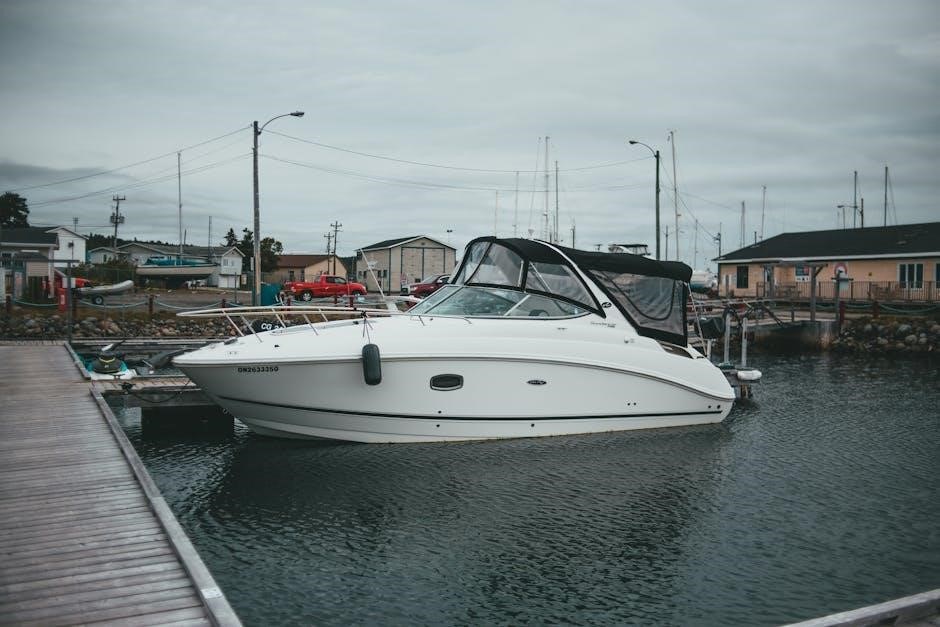
Overheating is a serious concern for Mercruiser engines․ Your service manual emphasizes checking the raw water intake for blockage – barnacles or debris are common culprits․ Inspect the impeller for wear or damage; a failing impeller drastically reduces coolant flow․ Verify the thermostat is functioning correctly, opening and closing at the specified temperature․
Examine the exhaust manifold and riser for corrosion or restrictions․ A clogged exhaust can cause significant overheating․ Check the heat exchanger for scale buildup, hindering heat dissipation․ The manual details pressure testing procedures to identify leaks in the cooling system․ Ignoring overheating can lead to severe engine damage, so prompt diagnosis and repair are crucial․

Starting Difficulties
Mercruiser service manuals detail a systematic approach to diagnosing starting issues․ Begin by checking the battery’s charge and connections – corrosion is a frequent problem․ Inspect the starter solenoid and ensure it’s receiving power when the key is turned․ Fuel delivery is critical; verify the fuel pump is operating and the fuel filter isn’t clogged․
Spark is essential; test the ignition coil and distributor cap for proper function․ The manual provides procedures for checking spark at each cylinder․ Consider compression – low compression indicates internal engine problems․ A thorough review of the wiring diagrams, found within the manual, can reveal shorts or open circuits․ Addressing these issues promptly prevents further complications․
Mercruiser Alpha One Drive System
The Mercruiser Alpha One is a prevalent outdrive system, and the service manual dedicates significant attention to its intricacies․ Understanding its components – the drive shaft, gearcase, and shift mechanism – is crucial for effective maintenance․ Detailed exploded views within the manual illustrate each part’s location and function, aiding in disassembly and reassembly․
Proper lubrication is paramount for Alpha One longevity․ The manual outlines specific procedures for gearcase oil changes and grease fitting points․ Regular inspection for water intrusion is vital, as corrosion can quickly damage internal components․ The manual also covers shift cable adjustment and troubleshooting common issues like poor shifting or unusual noises․
Alpha One Drive Maintenance
Consistent Alpha One maintenance, as detailed in the service manual, prevents costly repairs․ Impeller replacement is a critical annual task, ensuring adequate cooling․ The manual provides step-by-step instructions, including removal of the drive, impeller inspection, and proper installation of the new component with a fresh gasket․

Gearcase lubrication is equally important․ The manual specifies the correct type of gear oil and outlines the procedure for draining, inspecting for metal shavings (indicating wear), and refilling․ Regular anode checks are also covered, as these sacrificial metals protect the drive from corrosion․ Following the manual’s schedule extends the Alpha One’s lifespan significantly․
Impeller Replacement
The Mercruiser service manual details a precise impeller replacement procedure․ Begin by disconnecting the shift cable and removing the drive housing, carefully noting the alignment of components․ Inspect the old impeller for wear – cracked or damaged vanes indicate a need for more frequent replacements․ Clean the impeller housing thoroughly, removing any debris that could hinder the new impeller’s performance․
Lubricate the new impeller with clean gear oil before installation, ensuring smooth rotation․ Align the impeller keyway correctly and secure the housing․ Reinstall the drive, reconnecting the shift cable and verifying proper operation․ The manual emphasizes torque specifications for all fasteners, preventing leaks and ensuring a secure assembly․ Regular impeller checks are vital for engine cooling․
Gearcase Lubrication
The Mercruiser service manual stresses the importance of regular gearcase lubrication for Alpha One drive longevity․ Drain the old gear oil completely, inspecting it for metal shavings – a sign of internal wear․ Clean the drain and fill plugs thoroughly before reinstallation․ Use only Mercruiser-approved gear oil, as other lubricants may not provide adequate protection․
Fill the gearcase to the specified level, typically indicated by the fill plug location․ After a short run, recheck the oil level, adding more if necessary․ The manual details specific oil capacities for different drive models․ Proper lubrication minimizes friction, reduces wear, and prevents corrosion within the gearcase․ Consistent maintenance, as outlined in the manual, is crucial for reliable operation․
Electrical System Diagnostics

The Mercruiser service manual provides detailed procedures for diagnosing electrical issues․ Begin with a visual inspection, checking for corroded terminals, damaged wiring, and loose connections․ A multimeter is essential for testing voltage, continuity, and resistance within the system․ Always disconnect the battery before performing any electrical work to prevent shorts and potential hazards․
The manual includes wiring diagrams to trace circuits and identify components․ Common problems include faulty solenoids, ignition modules, and sensors․ Systematic troubleshooting, following the manual’s steps, is key to pinpointing the root cause․ Proper grounding is critical; inspect ground straps for corrosion or breakage․ Refer to the manual for specific testing points and acceptable values․
Wiring Diagrams and Schematics
The Mercruiser service manual features comprehensive wiring diagrams and schematics, crucial for understanding the engine’s electrical system․ These diagrams illustrate the connections between components, aiding in troubleshooting and repair․ Detailed schematics cover the entire system, including the ignition, charging, starting, and accessory circuits․

Understanding these diagrams requires familiarity with electrical symbols and terminology․ The manual often provides a key explaining the symbols used․ Accurate interpretation is vital for correctly diagnosing faults and making repairs․ Diagrams are typically organized by system or engine model․ Always refer to the diagram specific to your engine’s year and configuration․ Using a highlighter can help trace circuits during troubleshooting․
Winterization Procedures
Proper winterization, as detailed in the Mercruiser service manual, is essential to prevent freeze damage during cold weather․ This involves draining all water from the engine block, manifolds, and cooling system․ Antifreeze must be added to these systems to protect against cracking and corrosion․ Fuel stabilization is also critical; adding a fuel stabilizer prevents fuel degradation and varnish buildup in the fuel system․
The manual outlines specific steps for fogging the engine cylinders with fogging oil, protecting internal components from rust․ Disconnecting the battery prevents parasitic drain․ Checking and lubricating all grease fittings ensures smooth operation next season․ Following these procedures diligently safeguards your investment and ensures a trouble-free start in the spring․
Mercruiser Service Manual Updates & Revisions
Mercruiser frequently releases updates and revisions to its service manuals, reflecting changes in engine designs, components, and recommended maintenance procedures․ Staying current with the latest version is crucial for accurate diagnostics and repairs․ These updates often address previously identified issues or introduce improvements to existing systems․
Owners can typically find updated manuals on the official Mercruiser website or through authorized dealers․ Checking the publication date of your manual is a good practice․ Subscription services may also provide access to the most recent information․ Ignoring updates can lead to incorrect servicing, potentially causing further damage or voiding warranty coverage․ Always prioritize using the latest, approved documentation․
Resources for Mercruiser Owners
Numerous resources are available to Mercruiser owners seeking assistance with maintenance and repair․ The official Mercruiser website provides a wealth of information, including frequently asked questions, troubleshooting guides, and parts diagrams․ Online forums dedicated to marine engines offer a platform for owners to connect, share experiences, and seek advice from fellow enthusiasts and experienced mechanics․
Authorized Mercruiser dealers are valuable sources of expertise and genuine parts․ Marine mechanic training programs also contribute to a network of qualified professionals․ Consider joining a boating club or association for access to exclusive resources and support․ Utilizing these resources ensures proper care and extends the life of your Mercruiser engine․