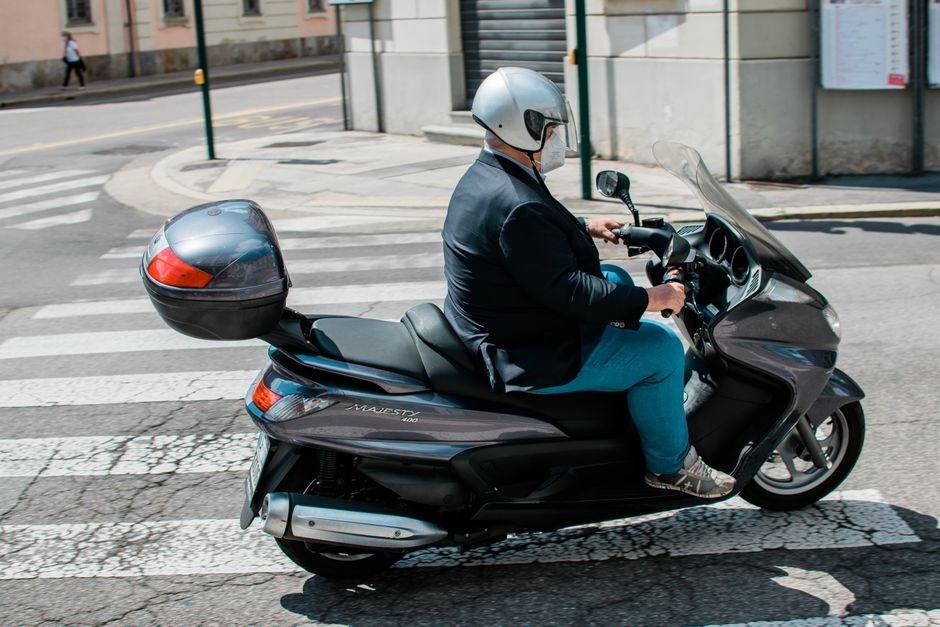
Explore the 2017 Smax Owner’s Manual PDF, detailing vehicle specs, safety features, and maintenance schedules. This guide offers step‑by‑step instructions for operation, troubleshooting, and warranty claims, ensuring drivers maximize performance and longevity. Download the PDF for full details. now.
Purpose of the Manual
The purpose of this 2017 Smax Owner’s Manual PDF is to provide owners with a comprehensive, user‑friendly guide that consolidates all essential information about the vehicle’s operation, maintenance, safety features, and warranty coverage. It serves as the single authoritative reference for daily driving, troubleshooting, and service planning, ensuring that every owner can confidently manage their Smax while maximizing performance, reliability, and safety. The manual walks users through the exterior and interior controls, engine and transmission functions, infotainment system, and advanced driver‑assist technologies, offering clear step‑by‑step instructions and illustrative diagrams. It details the manufacturer’s recommended maintenance schedule, including oil changes, filter replacements, tire rotations, and brake inspections, so owners can keep the vehicle running smoothly without unnecessary downtime. Safety procedures, emergency protocols, and regulatory compliance information are thoroughly explained to help owners avoid accidents and legal issues. The document outlines warranty terms, coverage limits, and the process for filing claims, ensuring owners understand their rights and responsibilities. Designed for accessibility on smartphones, tablets, and computers, the PDF can be downloaded or viewed on the go, making it a convenient resource for on‑the‑road reference. Additionally, the manual includes troubleshooting charts, diagnostic codes, and a FAQ section that addresses common concerns such as battery life, infotainment glitches, and climate control issues. It also explains how to reset electronic control units when warning lights appear. By integrating these resources, the manual ensures every owner has the knowledge and tools necessary to maintain optimal vehicle health and to enjoy a safe, reliable driving experience for years to come © 2026

Safety Precautions
Before operating the 2017 Smax, read all safety warnings and follow these precautions to protect yourself, passengers, and the vehicle. Always fasten the driver’s seat belt and ensure all passengers wear belts or approved child restraints. Do not use the vehicle if the seat‑belt warning light remains illuminated after a reset, as this indicates a fault in the belt‑safety system. Keep the engine compartment free of flammable materials and ensure the battery is charged to prevent sparks. When starting the engine, keep hands and loose clothing away from moving parts and avoid metal objects in the ignition area. Keep the cargo area clear of sharp objects that could puncture tires or damage the suspension. Keep a flashlight and a spare tire within easy reach. If you notice abnormal noises, vibrations, or warning lights, stop driving and have the vehicle inspected. Adhering to these precautions ensures a safe and reliable driving experience.
Never use the vehicle if airbags have been deployed or a warning light is illuminated. Ensure passengers are seated correctly and mirrors are adjusted for full visibility. When using electronic stability control, avoid sudden steering inputs; adjust gradually. Always check blind‑spot indicators before changing lanes. Keep the cargo area clear of sharp objects that could puncture tires or damage the suspension. Store mobile devices in a secure compartment to prevent distraction. If traveling in extreme weather, plan your route, carry emergency supplies, and inform a trusted contact of your itinerary. These additional precautions further reduce risk and promote a safer driving environment. Keep a flashlight and a spare tire within easy reach. Carry a small toolbox for minor repairs. Maintain a fully charged mobile phone for navigation and emergency calls. Use a flashlight for visibility at night. Check tire pressure regularly.
Warranty Information
The 2017 Smax comes with a three‑year/36,000 km warranty covering materials, workmanship, body, and frame. It includes 12‑month power‑train coverage and a 24‑month battery warranty. Parts and labor are supplied by authorized centers. Damage from improper use or modifications is excluded. The warranty also covers accidental damage to the body. This warranty ensures mind!?.
Maintain warranty by keeping a service log, retaining receipts, and scheduling checks at authorized dealers. The warranty transfers to a new owner if sold within the period, provided the transfer form is completed and mileage limits are respected. All service visits are logged electronically.

Claims are handled at authorized dealers. Report defects within 30 days; Covered repairs are free; non‑covered items are billed. The warranty covers a spare‑tire replacement if a tire fails due to a manufacturing defect, with a new OEM tire. The repair cost is covered for 12 months, and roadside assistance is included. dealer towing.!!
Extended warranty options are available for up to five years or 60,000 km. The plan covers most mechanical parts, including engine, transmission, and electrical systems. It can be purchased within 90 days of delivery. The extended plan also includes roadside and battery warranty.!!!!!
The warranty booklet lists parts and service intervals. Keep it in the glove compartment for quick reference. This booklet is for maintenance.

Vehicle Overview and Controls
The 2017 Smax features a compact design, front‑wheel drive, 1.5‑liter engine, and a 6‑speed manual gearbox. Controls include a central touchscreen, steering‑wheel audio, automatic climate, and a multifunction steering wheel. The dashboard displays speed, fuel, and diagnostics. For full details, see the PDF. Enjoy!!!!
Exterior Features
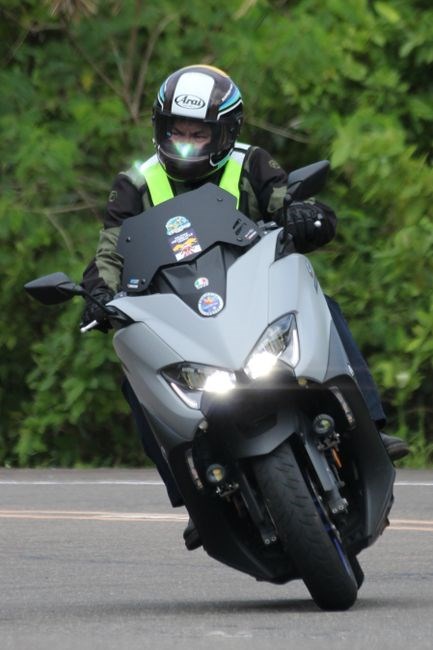
The 2017 Smax presents a sleek, compact silhouette that balances urban practicality with modern aesthetics. Its front fascia showcases a bold, chrome‑trimmed grille, dual LED headlamps with dynamic turn‑signal integration, and a subtle chrome hood ornament. The side profile is defined by sharp character lines, a sculpted roofline, and a 16‑inch alloy wheel package available in two contrasting finishes. The rear end features a compact bumper with integrated LED taillights, a slim spoiler, and a chrome‑accented rear diffuser. Optional LED daytime running lights enhance visibility, while the dual‑tone paint options—classic black and metallic silver—provide a refined finish. The vehicle’s compact dimensions (length 3,900 mm, width 1,700 mm, height 1,650 mm) allow for nimble maneuvering in tight city streets, and the 1,800 mm turning radius further improves parking convenience. The Smax’s low ground clearance of 155 mm is complemented by a reinforced chassis that ensures durability in varied road conditions. The interior is accessed via a power‑operated door handle that glides smoothly into the cabin, while the rear side windows feature a subtle tint for privacy and UV protection. The overall exterior design prioritizes safety with high‑visibility LED lighting, a reinforced B‑pillar, and a side‑impact protection system that meets modern crash‑test standards. For a complete visual reference, consult the 2017 Smax Owner’s Manual PDF, which includes detailed diagrams and specifications for each exterior component. The rearview camera offers a 120° field of view, and a panoramic sunroof option adds cabin brightness. All exterior lighting meets Euro 5 standards, and side‑mirror turn‑signal indicators improve lane‑change safety. Low improves aerodynamics!!
Interior Layout
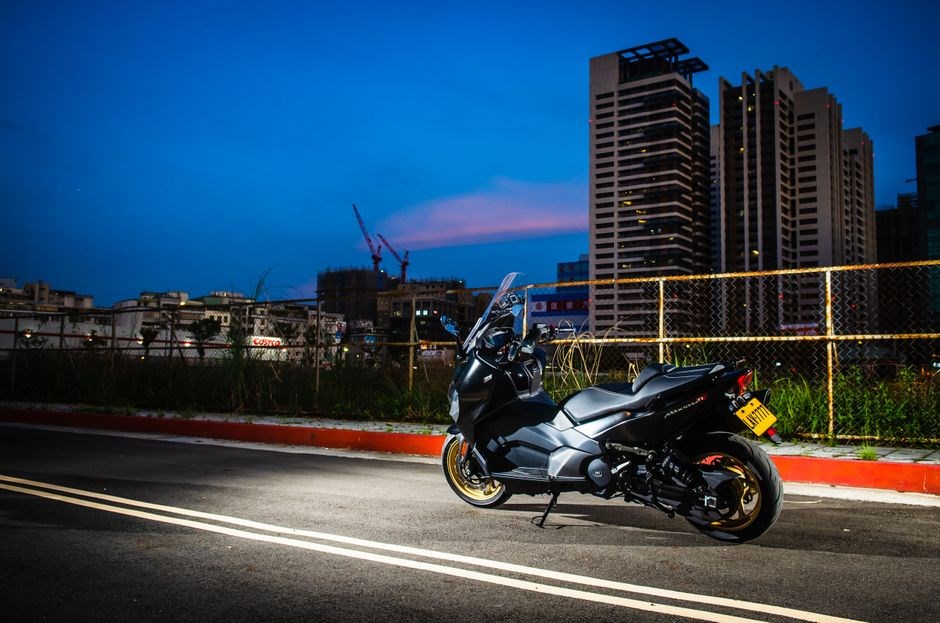
The 2017 Smax interior is engineered for compact efficiency and occupant comfort. A 2‑row, 5‑seat configuration features adjustable front seats with 10‑way power lumbar support and a 60/40 split rear bench that folds flat to extend cargo capacity to 1,200 L. Upholstery options include soft‑touch fabric or premium leather in dark or light trims. The dashboard centers a 7‑inch touchscreen infotainment system supporting Bluetooth, Apple CarPlay, and Android Auto, complemented by a 12‑speed auto transmission. A digital instrument cluster displays speed, RPM, fuel economy, and navigation cues, while a multi‑zone climate control panel allows individual temperature settings. Steering‑wheel controls provide quick access to audio, cruise control, and voice commands. Acoustic insulation reduces road noise below 60 dB at 80 km/h. Storage solutions include a central console with cup holders, a door‑panel USB port, and a rear compartment beneath the seats. Rear side windows feature a subtle tint for privacy, and a rear‑view camera mounted on the bumper offers a 120° field of view. All controls lie within a 30‑cm reach envelope, meeting ergonomic standards. For detailed dimensions, material specifications, and assembly instructions, consult the 2017 Smax Owner’s Manual PDF. The interior layout balances technology, safety, and comfort, making the Smax a practical choice for urban drivers.!!!
Seat adjustments are managed via a lever on the steering column, offering recline, height, and lumbar angle options; The rear seats fold in a 60/40 split, extending cargo volume to 1,200 L. Acoustic insulation reduces road noise below 60 dB at 80 km/h. The climate control provides dual‑zone temperature settings and automatic temperature control. The infotainment system includes navigation, Bluetooth, and USB charging ports. The manual details how to adjust seats, use the infotainment, and maintain interior cleanliness. Features convenience!!!

Dashboard Instruments
At the heart of the 2017 Smax’s cabin lies a sophisticated instrument cluster that blends analog familiarity with digital precision. The primary gauge displays speed in km/h with a 3‑digit LED readout, while a secondary tachometer shows engine RPM up to 6,000. A fuel gauge, calibrated to 5‑digit accuracy, indicates remaining capacity in liters and percentage. A trip meter, accessible via a toggle button, records distance traveled and average consumption. The clock is a digital 24‑hour display, synchronized with the vehicle’s internal network for automatic time zone adjustments. A temperature sensor on the dashboard provides cabin temperature readings, and a separate gauge alerts to engine coolant levels. A warning panel, illuminated by a 16‑color LED matrix, signals check‑engine, ABS, traction control, and battery status. The instrument cluster is housed within a chrome‑rimmed bezel that matches the steering wheel and center console. A driver‑adjustable brightness control allows the display to dim or brighten based on ambient light. The cluster also features a “Eco” mode indicator that highlights fuel‑saving driving habits. For detailed calibration procedures, sensor placement, and troubleshooting steps, refer to the 2017 Smax Owner’s Manual PDF, which includes schematics and service codes. The dashboard instruments are designed to provide clear, real‑time feedback while maintaining a minimalist aesthetic that complements the vehicle’s overall interior design. All instruments meet ISO 26262 and safety.!!

Key Controls and Switches
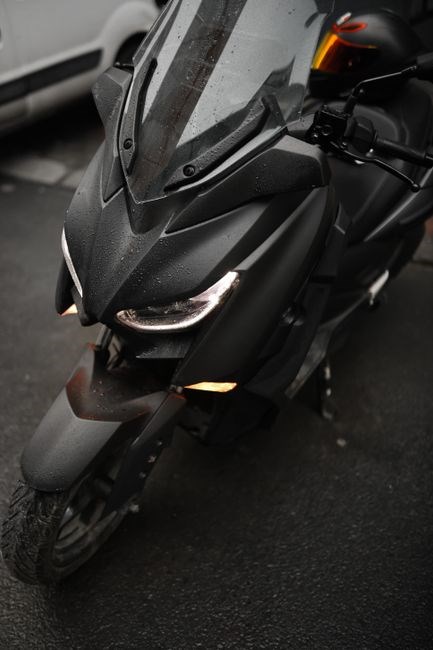
The 2017 Smax central console features a multifunction button that switches between Eco, Comfort, and Sport modes, and a steering‑wheel switch for cruise control and gear‑lock during low‑speed maneuvers. The instrument cluster displays a “gear‑shift” indicator and includes a power‑steering assist lever for adjustable steering feel. Illuminated switches for the rear‑view camera, parking‑assist sensors, and dual‑zone climate control are positioned within easy reach. A toggle switch on the console enables auto‑headlights that activate automatically when ambient light drops below a preset threshold. Keyless entry is managed by a remote‑control button that locks/unlocks doors and triggers the alarm. The infotainment system is accessed via a rotary dial that doubles as a volume control for the audio system. Detailed wiring diagrams, troubleshooting procedures, and service instructions are available in the 2017 Smax Owner’s Manual PDF. All switches meet stringent safety standards and are engineered for ergonomic placement to reduce driver distraction. The layout follows manufacturer guidelines, ensuring frequently used controls are within easy reach during operation. The manual explains how to reset the driver‑assist system after a battery disconnect or software update. The key‑control interface is fully integrated with the vehicle’s CAN bus, enabling real‑time communication between driver inputs and vehicle control modules. Owners can customize lighting and audio settings via the vehicle’s touchscreen soft interface.
Operation, Maintenance, and Support
The 2017 Smax manual details engine start/stop, shift modes, and tire pressure checks. It lists oil change intervals, filter replacement, and battery maintenance. For support, contact dealer or online portal for firmware updates and recall notices. Thanks!
Starting and Stopping the Engine
To start the 2017 Smax, insert the key or use the key‑less entry button, press the brake pedal, and ensure the gear selector is in Park (P). With the engine off, press the START button; the engine will crank once, then idle. If the engine does not turn over, check the battery voltage (minimum 12.6 V), confirm the immobilizer is disengaged, and ensure the fuel level is above the minimum mark. For a manual‑style start, press the brake, shift to Neutral (N), and press the START button; the engine will crank and then idle. To stop the engine, press the brake, shift the selector to Park (P), and press the STOP button; the engine will shut down. If the vehicle is equipped with a manual transmission, release the clutch after the engine stops. Always keep the engine running only when the vehicle is in a safe, stationary position, and never leave the engine idling for extended periods. For emergency shutdown, press the brake, shift to Park, and press the STOP button; the engine will cut off immediately. The manual also advises monitoring the engine temperature gauge and oil pressure indicator during operation to detect any abnormal conditions that may require immediate shutdown. Additionally, the manual highlights the importance of keeping battery terminals clean. It advises checking the coolant level before long trips, in climates, to prevent overheating. Keep the tire, tools in the trunk. Thanks. Thanks!
Driving Modes and Handling
The 2017 Smax offers a selection of driving modes that adapt the vehicle’s performance to varying road conditions and driver preferences. By default, the “Comfort” mode prioritizes a smooth, quiet ride, softening throttle response and moderating suspension stiffness for everyday commuting. Switching to “Sport” mode sharpens the throttle, tightens the steering, and activates a firmer suspension setting, providing a more dynamic feel suitable for spirited driving on winding roads. The “Eco” mode reduces engine torque and limits power output to maximize fuel efficiency, while the “Snow” mode lowers the transmission shift points and increases engine braking to improve traction on slippery surfaces. Each mode can be selected via the central infotainment touchscreen or the dedicated mode selector on the steering wheel, depending on the trim level. The vehicle’s electronic stability control (ESC) works in tandem with the chosen mode, automatically adjusting braking and engine output to maintain vehicle stability. The Smax’s adaptive suspension system uses real‑time sensor data to modulate damping forces, ensuring optimal ride comfort and handling balance. In “Comfort” mode, the suspension remains relaxed, absorbing road irregularities, whereas “Sport” mode tightens the dampers for reduced body roll and enhanced cornering grip. The steering system is assisted; “Sport” mode reduces assistance for a direct feel, while “Comfort” mode gives a lighter, responsive feel for everyday use. Instant mode.
Parking Techniques
The 2017 Smax is equipped with a parking‑assist system that streamlines both parallel and perpendicular maneuvers. When approaching a curb, press the “P‑Assist” button on the steering wheel to activate the rear‑view camera and ultrasonic sensors; The display will show a green line indicating the optimal distance from the curb. For parallel parking, shift into reverse, turn the steering wheel fully to the right, and slowly back into the space while continuously monitoring the camera feed. The system will automatically adjust steering angle and speed to align the vehicle. For perpendicular parking, select the “Perp” mode, shift into reverse, and use the rear‑view camera to gauge the distance to the curb. The Smax’s adaptive suspension will lower the ride height by 20 mm, improving clearance during tight turns. Angle parking is handled similarly; the system will provide visual cues on the infotainment screen to guide the vehicle into the angled spot. After positioning, engage the parking brake and shift the gear selector to “P”. The electronic parking brake will lock the wheels, ensuring the vehicle remains stationary. Always check the rear‑view camera before releasing the brake to confirm the vehicle is fully stopped. The manual also recommends using the “Auto‑Brake” feature in low‑speed reverse to prevent collisions with pedestrians or obstacles. For large vehicles or tight spaces, the driver can manually override the system by disengaging the assist mode and using the standard steering and throttle controls. The parking procedure is designed to reduce driver effort while maintaining safety and precision. The Smax also supports a reverse‑assist mode that uses the rear‑view camera to display a grid overlay, helping the driver judge distances to nearby obstacles. In addition, the vehicle’s traction control system will temporarily reduce engine torque during low‑speed reverse to aid in delicate maneuvers. For parking in a narrow lane, the driver should use the “Lane‑Assist” feature, which keeps the vehicle centered between lane markings. The manual advises that the driver keep the foot on the brake pedal until the vehicle is fully stopped before disengaging the parking brake. Finally, the Smax’s keyless entry system allows the driver to unlock the doors and start the engine from a distance, making the initial approach to the parking spot smoother. By mastering these techniques, drivers can confidently navigate tight parking scenarios and ensure the vehicle remains secure and undamaged; The manual also highlights that the parking assist can be disabled in the settings menu if the driver prefers manual control.
Regular Maintenance Schedule
For optimal performance and longevity, the 2017 Smax follows a structured maintenance timetable. Oil and filter changes are recommended every 5,000 km or 6 months, whichever comes first, using the manufacturer‑specified synthetic blend. Engine coolant should be inspected and replaced every 20,000 km or 24 months. Brake fluid requires a flush every 30,000 km or 36 months to maintain hydraulic integrity. Tire rotation and alignment are advised every 10,000 km to ensure even wear; check tread depth at each service interval. Air filter, cabin filter, and fuel filter should be replaced at 15,000 km, 15,000 km, and 30,000 km respectively. Spark plugs are serviceable at 60,000 km, while the timing belt (if equipped) demands a replacement at 120,000 km. Battery should be inspected annually, with a full recharge or replacement every 4 years. Transmission fluid is due for a change at 40,000 km or 48 months, and differential fluid at 60,000 km. All electronic control units (ECUs) receive a diagnostic check during each service to detect fault codes. Manual also recommends a comprehensive safety inspection—checking lights, wipers, and horn—at every oil change. Adhering to this schedule not only preserves warranty coverage but also enhances safety and fuel efficiency.
Regular adherence to this schedule not only safeguards the vehicle’s mechanical integrity but also contributes to lower operating costs, improved resale value, a nice driving experience every ownerforall!