
Native American spirituality deeply values connections to the natural world and ancestral wisdom, recognizing spirit guides as integral to life’s journey.
These guides, often manifesting as animals, offer guidance, protection, and insight, stemming from traditions thousands of years old, originating with Paleo-Indian settlements.
Understanding these guides requires respecting their origins and avoiding cultural appropriation, embracing a path of learning and mindful engagement with indigenous perspectives.
What are Spirit Guides?
Spirit guides, within the framework of American Indian spirituality, are non-physical entities believed to offer assistance, wisdom, and protection to individuals throughout their lives. They aren’t deities to be worshipped, but rather allies on a personal journey of growth and understanding. These guides can take many forms, most commonly appearing as animals – hence the significance of animal spirits – but may also manifest as ancestors, nature spirits, or even as archetypal figures.
The concept stems from a worldview where all things possess a spirit, and interconnectedness is paramount. These guides aren’t necessarily “assigned” at birth; relationships can evolve over time through intentional connection and respectful interaction. They communicate through various means, including dreams, intuition, synchronicities, and encounters with nature. Recognizing and heeding their guidance requires cultivating inner stillness and a willingness to listen beyond the rational mind, acknowledging the ancient wisdom embedded within Native traditions.
The Significance of Animal Spirits
Animal spirits hold a profoundly important place in American Indian belief systems, acting as powerful spirit guides and embodying specific qualities and lessons. These aren’t simply symbolic representations; they are considered living energies with whom individuals can forge deep, reciprocal relationships. Each animal possesses unique characteristics – the bear representing strength and introspection, the eagle symbolizing vision, and the wolf embodying loyalty – offering guidance tailored to an individual’s needs.
The connection to animal spirits isn’t about “owning” an animal, but rather recognizing its energy within oneself and learning from its wisdom. Traditionally, encounters with these animals, either in the physical world or through visions, were interpreted as messages from the spirit realm. Respectful observation of animal behavior and understanding their role within the ecosystem are crucial aspects of this spiritual practice, reflecting the interconnectedness valued in Native traditions.
Historical Context: Native American Spirituality
Native American spirituality isn’t a monolithic entity, but a diverse tapestry of beliefs and practices developed over millennia, beginning with the Paleo-Indian settlement of the Americas over 4,000 years ago. These early inhabitants, migrating from Eurasia via the Bering land bridge, carried with them ancestral knowledge that evolved and adapted to the unique environments they encountered. Spirituality was intrinsically woven into daily life, encompassing all aspects of existence – from hunting and gathering to social structures and artistic expression.
Central to this worldview was a deep reverence for nature and the belief in a interconnectedness between all living things. Oral traditions served as the primary means of transmitting knowledge, preserving stories, ceremonies, and the understanding of spirit guides. The concept of “going native,” adopting the ways of a new environment, reflects the adaptability and profound connection to place inherent in these spiritual practices.

Understanding the Role of Spirit Guides in Native American Cultures
Spirit guides are viewed as powerful allies offering wisdom and protection, deeply rooted in ancestral beliefs and the interconnectedness of all life.
These guides assist individuals in navigating life’s challenges, reflecting a spiritual heritage spanning thousands of years of indigenous tradition.
Variations Across Tribes
American Indian spirit guide beliefs aren’t monolithic; they exhibit remarkable diversity across the hundreds of distinct tribes and nations. Each group possesses unique traditions, ceremonies, and understandings regarding spirit helpers.
For example, the significance attributed to specific animals varies considerably. While the bear might represent strength and introspection for one tribe, another may view it with different symbolism. The methods for receiving guidance also differ – some rely on vision quests, while others emphasize dream interpretation or shamanic journeying.
The Lakota, Navajo, Cherokee, and many others each have their own nuanced approaches. Understanding this tribal specificity is crucial; generalizing can lead to misrepresentation and disrespect. Recognizing these variations honors the rich tapestry of Native American spirituality and acknowledges the unique ancestral knowledge held by each community. It’s essential to approach learning with humility and a commitment to accurate representation.

The Concept of the “Power Animal”
The “power animal,” a central concept within many Native American traditions, represents a spirit guide taking animal form, offering specific strengths and guidance to an individual. This isn’t simply about identifying with an animal’s traits; it’s about forging a deep spiritual connection.
These animals aren’t chosen arbitrarily. They often appear during significant life events, dreams, or through intentional spiritual practices like shamanic journeying. The power animal acts as a protector, teacher, and source of energy, embodying qualities the individual needs to develop.
It’s believed that accessing the power animal’s energy can enhance intuition, courage, and healing abilities. However, it’s vital to approach this concept with respect, recognizing it’s rooted in complex spiritual beliefs and should not be trivialized or appropriated. The connection is deeply personal and requires reverence for the animal spirit.
How Spirit Guides are Traditionally Received
Traditionally, Native American peoples received spirit guides through various sacred practices deeply interwoven with their environment and cultural heritage. Vision quests, often involving solitary retreats in nature and fasting, were pivotal in seeking guidance and establishing connections with the spirit world.
Shamans, acting as intermediaries, utilized drumming, chanting, and ritualistic dances to enter altered states of consciousness, facilitating communication with spirit guides on behalf of individuals or the community. Dreams also held immense significance, considered direct messages from the spirit realm.
Storytelling and oral traditions played a crucial role, passing down knowledge about specific animal spirits and their associated meanings across generations. Receiving a guide wasn’t a passive event; it demanded respect, humility, and a willingness to learn from the wisdom offered.
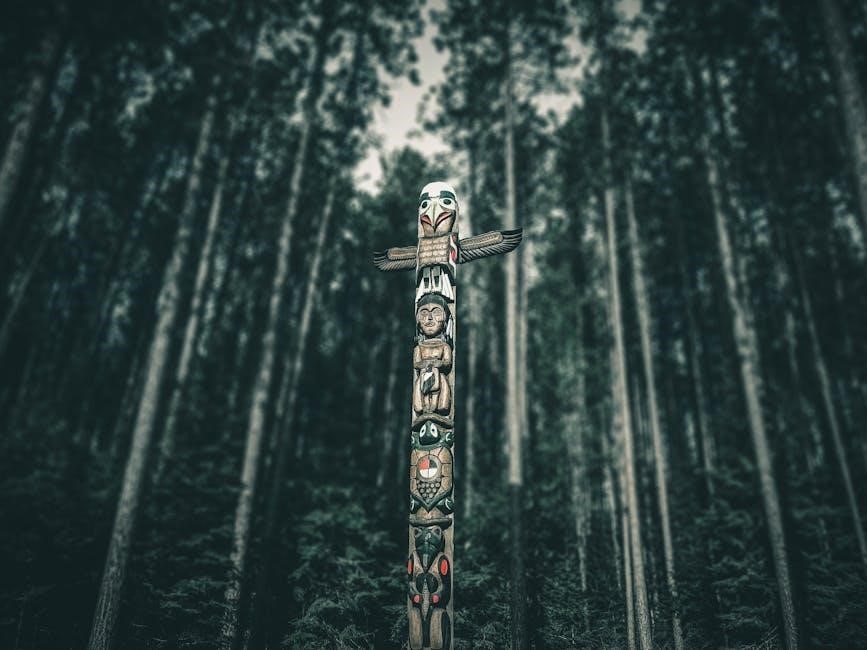
Common American Indian Spirit Animals and Their Meanings
Animal spirits embody powerful archetypes, offering unique lessons and guidance. Bears represent strength, eagles symbolize vision, and wolves signify loyalty within Native traditions.
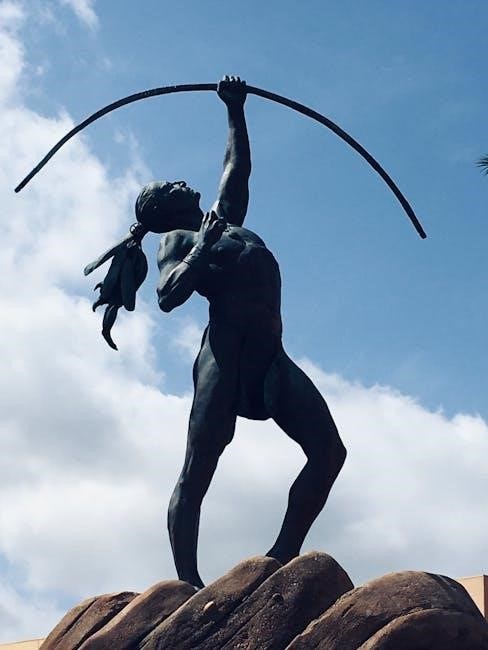
Bear: Strength and Introspection
The Bear holds a prominent position in many Native American cultures, revered for its immense physical strength and powerful symbolism. Beyond brute force, the Bear embodies introspection, healing, and a grounded connection to the earth. Representing courage and protection, Bear medicine often guides individuals through challenging times, encouraging self-awareness and inner resilience.
Historically, tribes viewed the Bear with deep respect, often incorporating its image into ceremonies and storytelling. The Bear’s ability to hibernate symbolizes a retreat into the self for renewal and wisdom. This period of solitude allows for deep contemplation and the uncovering of hidden truths.
If the Bear appears as a spirit guide, it may signal a need to confront fears, stand your ground, and embrace your personal power. It encourages you to tap into your instincts and trust your intuition, while also reminding you of the importance of boundaries and self-protection. The Bear’s presence is a call to find strength within and navigate life’s journey with unwavering confidence.
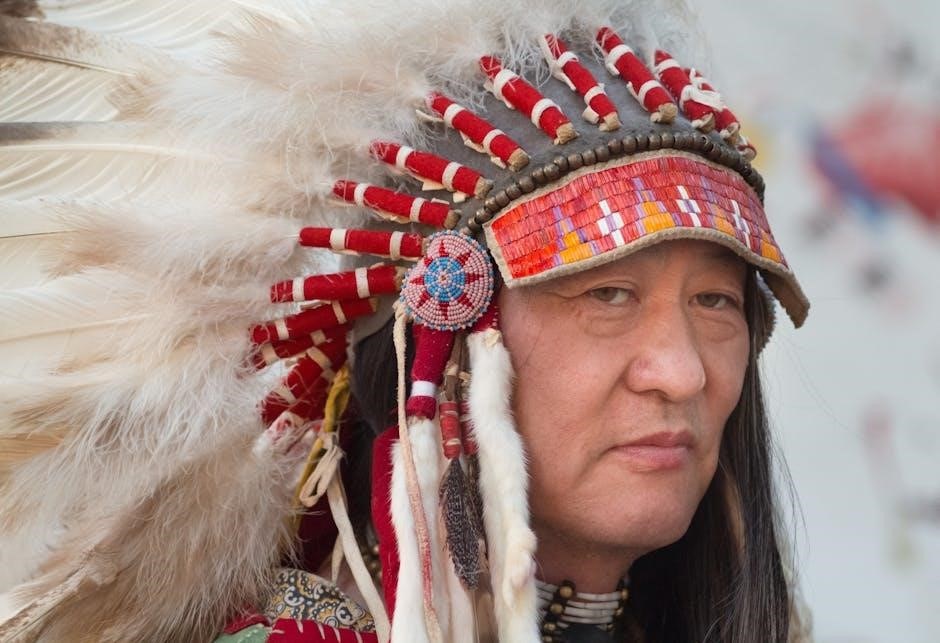
Eagle: Vision and Spiritual Connection
The Eagle soars to great heights, embodying freedom, vision, and a profound connection to the Divine in numerous Native American traditions. Revered as a messenger between the earthly and spiritual realms, the Eagle’s feathers are considered sacred and are often used in ceremonies to invoke power and clarity. Its keen eyesight symbolizes foresight and the ability to see the bigger picture, beyond immediate circumstances.
Historically, Eagles held immense cultural significance, representing courage, strength, and wisdom. Eagle feathers were – and continue to be – bestowed as honors, signifying respect and achievement. The Eagle’s flight represents a spiritual ascent, a journey towards enlightenment and higher consciousness.
When the Eagle appears as a spirit guide, it signifies a time for expanded awareness and spiritual growth. It encourages you to rise above limitations, embrace your true potential, and trust in the unfolding of your life’s path; The Eagle’s presence is a powerful reminder to connect with your inner wisdom and soar towards your highest aspirations.
Wolf: Loyalty and Intuition
The Wolf, a powerful and often misunderstood creature, represents loyalty, intuition, and a deep connection to one’s instincts within many Native American belief systems. Wolves are highly social animals, embodying the importance of family, community, and unwavering devotion. Their keen senses symbolize heightened intuition and the ability to navigate life’s challenges with clarity and discernment.
Historically, Wolves were both respected and feared, representing both the wildness of nature and the strength of the pack. Stories often depict the Wolf as a teacher or guide, leading individuals on a path of self-discovery and spiritual awakening. The Wolf’s howl is seen as a call to the spirit world, a powerful expression of freedom and wildness.
As a spirit guide, the Wolf encourages you to trust your instincts, embrace your individuality, and remain loyal to your values. It signifies a time for deepening connections with loved ones and embracing your own inner wildness.
Coyote: Trickster and Teacher
Coyote, a prominent figure in many Native American traditions, embodies the archetype of the trickster – a complex character known for both mischievousness and profound wisdom. Often portrayed as a shape-shifter and storyteller, Coyote challenges conventional norms and exposes hypocrisy through cunning and humor. This isn’t simply about deception; it’s about revealing hidden truths and prompting growth.
Unlike purely benevolent guides, Coyote’s lessons are rarely straightforward. They often involve navigating chaos, embracing paradox, and learning from one’s mistakes. Coyote encourages adaptability, resourcefulness, and a healthy dose of self-awareness. The trickster’s antics serve as a reminder not to take life too seriously.
When Coyote appears as a spirit guide, it signals a time for questioning assumptions, embracing change, and finding the humor in challenging situations. It’s a call to liberate yourself from rigid thinking and explore new perspectives.
Owl: Wisdom and Prophecy
Owl, revered across numerous Native American cultures, symbolizes profound wisdom, intuition, and the ability to see beyond the veil of the ordinary. Often associated with the night and the spirit world, Owl possesses a unique perspective, capable of discerning hidden truths and navigating darkness with clarity.
Historically, Owl was considered a messenger between worlds, possessing prophetic abilities and offering guidance related to dreams and intuition. Its silent flight and keen eyesight represent a heightened awareness and the capacity to observe without judgment. The appearance of an Owl spirit guide suggests a time for introspection and accessing inner knowledge.
If Owl chooses to accompany you on your path, it encourages you to trust your instincts, embrace your psychic gifts, and seek deeper meaning in life’s experiences. It’s a reminder to look beyond surface appearances and listen to the whispers of your soul.
Buffalo/Bison: Abundance and Gratitude
Buffalo (or Bison) holds a sacred place in many Plains Native American traditions, representing abundance, strength, and the provision of life’s necessities. Historically, the buffalo provided food, shelter, clothing, and tools – every part of the animal was utilized with deep respect and gratitude.
As a spirit guide, Buffalo signifies a time of plenty, urging you to acknowledge the blessings in your life and to share your gifts with others. It embodies the power of community, cooperation, and honoring the cycles of nature. Buffalo teaches us to live in harmony with the Earth and to appreciate the interconnectedness of all things.
When Buffalo appears, it’s a call to embrace gratitude, to release scarcity mindsets, and to trust that your needs will be met. It encourages you to offer prayers of thanks for all that you have received and to contribute to the well-being of those around you.

Connecting with Your American Indian Spirit Guide
Establishing a connection requires respectful practices like meditation, dreamwork, and observing synchronicities, honoring ancestral wisdom and the natural world’s guidance.
Meditation and Shamanic Journeying
Meditation serves as a foundational practice for connecting with spirit guides, creating a quiet inner space where subtle energies can be perceived. Begin with focused breathing, visualizing yourself in a peaceful natural setting – a forest, mountain, or desert – spaces deeply revered in Native American traditions.

Shamanic journeying, a more active technique, involves entering an altered state of consciousness, often guided by drumming or rattling, to travel to non-ordinary realities. This allows for direct encounters with spirit guides and power animals. It’s crucial to approach journeying with intention, asking for guidance or clarity on a specific question.
Remember that these practices are rooted in ancient traditions and should be approached with reverence and respect. Consider seeking guidance from experienced practitioners to ensure a safe and meaningful experience, avoiding appropriation and honoring indigenous protocols. The goal is not to “find” a guide, but to open yourself to the guidance already present.
Dream Interpretation
Dreams hold a significant place in many Native American cultures, viewed as portals to the spirit world and sources of profound guidance. Spirit guides frequently communicate through symbolic imagery within dreams, offering insights into your life path and inner self.
Pay close attention to animals appearing in your dreams, as they often represent power animals or spirit guides. Note the animal’s behavior, the surrounding environment, and your emotional response. Keep a dream journal to record these details, looking for recurring themes or patterns.
Interpreting dream symbolism requires intuition and a willingness to explore the deeper meaning behind the imagery. Research traditional Native American interpretations of specific animals, but ultimately trust your own inner knowing. Approach dreamwork with respect, recognizing the sacredness of the dream space and the wisdom offered by your spirit guides.
Signs and Synchronicities
Spirit guides often communicate not through grand gestures, but through subtle signs and meaningful synchronicities in everyday life. These can manifest as repeatedly encountering a specific animal, finding feathers in unexpected places, or noticing significant numbers appearing frequently.
Pay attention to these occurrences, viewing them as gentle nudges from the spirit world. A particular song playing repeatedly, a chance encounter with someone offering relevant advice, or a recurring symbol can all be interpreted as messages from your guides.
Trust your intuition when recognizing these signs; they often resonate with a feeling of knowing or a sense of alignment. Keep an open mind and heart, and be receptive to the guidance offered. Acknowledging these synchronicities demonstrates your willingness to connect and receive wisdom from the spirit realm.
Respectful Approach and Cultural Sensitivity
Engaging with American Indian spirit guides demands profound respect for the cultures from which these traditions originate. It’s crucial to acknowledge the historical context of Native American spirituality and avoid appropriation, recognizing the deep significance these beliefs hold for Indigenous communities.
Approach learning with humility, seeking guidance from authentic sources and prioritizing Indigenous perspectives. Avoid romanticizing or stereotyping, and refrain from adopting practices without proper understanding and permission.
Remember that these are living traditions, not commodities for personal gain. Prioritize ethical considerations, honoring the sacredness of the connection and supporting Indigenous sovereignty. Genuine connection blossoms from reverence, not reckless imitation.

Distinguishing Authentic Connection from Appropriation
Genuine connection stems from respectful learning and honoring Indigenous perspectives, while appropriation trivializes sacred traditions and perpetuates harmful stereotypes, demanding mindful discernment.
Avoiding Stereotypes and Misrepresentation
A critical step in respectfully engaging with American Indian spirit guides involves actively dismantling ingrained stereotypes and challenging misrepresentations that have historically plagued depictions of Native American cultures. These often stem from a lack of genuine understanding and perpetuate harmful narratives, reducing complex spiritual systems to simplistic tropes.
It’s crucial to move beyond romanticized or sensationalized portrayals, recognizing the immense diversity across tribes – each possessing unique traditions, beliefs, and ways of interacting with the spirit world. Avoid generalizing or assuming a monolithic “Native American” spirituality; instead, prioritize learning about specific tribal customs and protocols.
Furthermore, be wary of New Age interpretations that strip away the cultural context and sacredness of these practices. Authentic engagement requires acknowledging the historical trauma and ongoing struggles faced by Indigenous communities, and centering their voices in any exploration of their spirituality. Responsible practice means actively seeking out and amplifying Indigenous perspectives.
The Importance of Indigenous Perspectives
Genuine understanding of American Indian spirit guides demands prioritizing Indigenous perspectives, recognizing that these traditions are living, evolving systems of knowledge held and practiced by sovereign nations. Outsiders approaching this topic must actively listen to and learn from Native voices, rather than imposing external interpretations.
Centering Indigenous viewpoints acknowledges the historical context of colonization and cultural appropriation, which have often silenced or distorted Native spiritual practices. It’s vital to seek guidance from tribal elders, knowledge keepers, and authorized teachers who can share authentic teachings and protocols.
Respectful engagement means acknowledging that these are not simply “ancient” beliefs, but vibrant aspects of contemporary Native life. Supporting Indigenous-led initiatives and organizations is crucial, ensuring that Native communities control the narrative surrounding their own spirituality and benefit from any related endeavors. True reverence lies in honoring their sovereignty and wisdom.
Ethical Considerations When Working with Native American Spirituality
Engaging with American Indian spirit guides necessitates profound ethical responsibility. Avoid romanticizing or exoticizing Native cultures; recognize the historical trauma of colonization and the ongoing impacts of systemic oppression. Self-proclaimed experts lacking genuine tribal affiliation should be approached with skepticism.
Prioritize reciprocity: if you benefit from learning about these traditions, find ways to give back to Native communities through donations, advocacy, or supporting Indigenous-owned businesses. Never appropriate sacred ceremonies or practices without explicit permission and guidance from authorized teachers.
Be mindful of power dynamics and avoid positioning yourself as a “shaman” or “medicine person” without legitimate lineage and training. Respect intellectual property rights and avoid commercializing sacred knowledge. Approach this path with humility, reverence, and a commitment to lifelong learning, always prioritizing the well-being and sovereignty of Native peoples.

Resources for Further Learning
Explore books detailing Native American spirituality and websites of established Indigenous organizations for authentic perspectives and respectful engagement with these traditions.
Prioritize learning directly from Native voices and communities, fostering ethical understanding and avoiding cultural appropriation in your journey.
Books on Native American Spirituality
Delving into literature authored by or in collaboration with Native American scholars and spiritual leaders is crucial for respectful learning. Several books offer insights into the world of spirit guides, though discernment is key.
Look for works that emphasize tribal-specific traditions, recognizing the vast diversity among Native American cultures. Avoid generalized texts that may perpetuate stereotypes. “Black Elk Speaks,” while a classic, should be approached with awareness of its historical context and potential interpretations.
Consider exploring books focusing on specific traditions like Lakota spirituality or Pueblo cosmology. Seek out contemporary Native authors who offer modern perspectives on ancient wisdom. Resources detailing the history of Native Americans, like those covering Paleo-Indian settlements, can provide valuable background. Remember to prioritize authenticity and ethical considerations when selecting your reading materials, ensuring they honor Indigenous voices and perspectives.
Websites and Organizations
Navigating online resources requires careful consideration to ensure authenticity and respect for Native American cultures. Several organizations are dedicated to preserving and sharing Indigenous knowledge, offering valuable insights into spirit guides and related traditions.
The National Museum of the American Indian (NMAI) website provides educational resources and exhibits showcasing diverse tribal perspectives. Native American Rights Fund (NARF) advocates for tribal sovereignty and offers information on legal issues impacting Native communities.
Look for websites created and maintained by specific tribes or Indigenous-led organizations. Be wary of sites offering generalized or commercialized interpretations of Native spirituality. Prioritize resources that emphasize tribal-specific knowledge and avoid those promoting appropriation. Understanding the history of Native Americans, tracing back to Paleo-Indian settlements, provides context for responsible engagement with these resources.
Respectful Engagement with Native American Communities
Genuine connection with American Indian spirit guides necessitates respectful engagement with Native American communities. This begins with acknowledging the historical context – thousands of years of tradition stemming from Paleo-Indian settlements – and the ongoing impacts of colonization.
Seek opportunities to learn directly from Indigenous teachers and knowledge keepers, prioritizing their voices and perspectives. Support Native-owned businesses and organizations that promote cultural preservation. Avoid appropriating sacred practices or symbols without proper understanding and permission.
Remember that Native cultures are diverse; generalizations should be avoided. Approach learning with humility and a willingness to listen. Recognize that spiritual knowledge is often considered sacred and may not be freely shared. Prioritize building relationships based on reciprocity and mutual respect, honoring the origins and birthright of these traditions.