
Telugu Rudram PDFs offer accessible spiritual practice, containing ancient Vedic hymns in the Telugu language;
These digital versions facilitate widespread recitation of Sri Rudram, Chamakam, and Sri Suktam, catering to diverse needs.
Availability in PDF format ensures easy download, viewing, and printing for devotees seeking connection with Lord Shiva.
Numerous online resources provide these texts, including options with Ganapathi Prarthana and KshamaPrarthana.
The increasing popularity reflects a growing desire for accessible Vedic knowledge within the Telugu-speaking community.
What is Sri Rudram?
Sri Rudram is a profoundly revered Hindu hymn dedicated to Lord Shiva, originating from the Krishna Yajurveda. It’s considered the most important hymn in the Vedic tradition, forming a central part of many Shiva temples’ daily rituals. The hymn isn’t a simple prayer; it’s a powerful invocation, a detailed description of Lord Shiva’s various manifestations and attributes.
Within the Telugu Rudram PDF context, Sri Rudram is presented in the Telugu script, making it accessible to a wider audience. The hymn is divided into two primary sections: the Namakam and the Chamakam; The Namakam consists of names and praises of Lord Shiva, while the Chamakam focuses on offerings and requests.
Chanting Sri Rudram is believed to bestow numerous benefits, including purification, protection, and spiritual advancement. The availability of Telugu Rudram PDFs allows devotees to engage with this sacred text conveniently, fostering a deeper connection with the divine. It’s a cornerstone of Vaidika practice.
Significance of Rudram in Telugu Tradition
Rudram holds immense significance within Telugu Hindu tradition, deeply interwoven with spiritual practices and cultural heritage. The availability of Telugu Rudram PDFs has amplified its accessibility, fostering wider participation in its recitation and study. For Telugu-speaking devotees, chanting Sri Rudram in their native language creates a more intimate and profound connection with the divine.
Traditionally, Rudram is chanted during significant ceremonies, temple rituals, and personal spiritual endeavors. It’s believed to purify the environment, invoke blessings, and ward off negative energies. The inclusion of Ganapathi Prarthana and KshamaPrarthana within Telugu Rudram PDFs further enhances its completeness and efficacy.

The hymn’s power is seen as fulfilling both material and spiritual wishes, making it a cherished practice for generations. The digital format ensures preservation and dissemination of this vital aspect of Telugu religious identity.
Availability of Rudram in PDF Format
Telugu Rudram PDFs are readily available online through numerous websites and digital platforms, catering to a growing demand for accessible Vedic texts. Resources like document-sharing sites host various versions, including those with Ganapathi Prarthana and KshamaPrarthana, offering options for different preferences.
These PDFs come in diverse formats – large and small font sizes, transliterations, and complete sets encompassing Namakam, Chamakam, and Sri Suktam. The convenience of PDF format allows users to download, print, and study the hymns at their own pace.
The proliferation of Telugu Rudram PDFs reflects a digital shift in preserving and sharing religious knowledge, making ancient traditions accessible to a wider audience.

Understanding the Components of Rudram
Telugu Rudram PDFs typically include Namakam, the core, alongside Chamakam – praises and offerings – and Sri Suktam, hymns to Lakshmi.
Namakam: The Core of Rudram
Namakam constitutes the foundational element within the Telugu Rudram PDF, representing the primary section of the hymn dedicated to Lord Shiva. It’s characterized by its repetitive yet powerful invocations, primarily utilizing the word “Namah,” signifying adoration and surrender.
Within Telugu Rudram PDFs, the Namakam section is meticulously presented in Telugu script, often accompanied by transliteration for those unfamiliar with the script. The hymns within Namakam correspond to requesting divine blessings, encompassing both material prosperity and spiritual fulfillment;
Devotees utilizing Telugu Rudram PDFs often focus on Namakam for its direct and potent connection to Lord Shiva. The verses are believed to invoke the deity’s protective energy and grant liberation. Many PDF versions include detailed explanations of each verse, aiding in comprehension and devotional practice.
Chanting Namakam from a Telugu Rudram PDF is considered a highly auspicious practice.
Chamakam: Praises and Offerings
Chamakam, a vital component within the Telugu Rudram PDF, follows the Namakam and distinguishes itself through a series of rhythmic praises and offerings to Lord Shiva. Unlike the repetitive “Namah” of Namakam, Chamakam employs the interrogative “Kaḥ,” posing questions that highlight the deity’s omnipresence and glory.
Telugu Rudram PDFs present Chamakam in a structured format, often with Telugu script alongside transliteration to aid pronunciation and understanding. This section details various offerings – symbolic and tangible – presented to Lord Shiva, expressing gratitude and devotion.
Devotees utilizing these PDF resources often view Chamakam as a means of cultivating detachment and surrendering possessions to the divine. The verses within Chamakam are believed to purify the mind and foster spiritual growth.
Chanting Chamakam from a Telugu Rudram PDF is considered a powerful practice for invoking blessings.
Sri Suktam: Hymns to Goddess Lakshmi
While primarily focused on Lord Shiva, some comprehensive Telugu Rudram PDF versions include Sri Suktam, a revered hymn dedicated to Goddess Lakshmi, the embodiment of wealth, prosperity, and auspiciousness. This inclusion broadens the scope of the PDF, offering devotees a holistic spiritual practice.
Sri Suktam within these PDFs is presented with meticulous attention to detail, often featuring Telugu script alongside transliteration for accurate recitation; The verses beautifully describe Goddess Lakshmi’s radiant form, her benevolent nature, and her role in bestowing abundance.
Chanting Sri Suktam, alongside Rudram, is believed to attract both material and spiritual prosperity. Devotees utilizing Telugu Rudram PDFs often incorporate Sri Suktam into their daily rituals, seeking the blessings of both Shiva and Lakshmi.
It’s a powerful addition for those desiring overall well-being.

Finding Telugu Rudram PDFs Online
Telugu Rudram PDFs are readily available on various websites, offering convenient access to these sacred texts for devotees seeking spiritual enrichment.
Popular platforms host diverse versions, including those with Ganapathi Prarthana, catering to varied preferences.
Popular Websites for Downloading Telugu Rudram PDF
Several online platforms specialize in providing religious texts, and are excellent resources for obtaining Telugu Rudram PDFs. Vedamantras is frequently cited as a reliable source, offering various versions including Laghunyasa Rudram and texts with Ganapathi Prarthana and KshamaPrarthana.
Other websites, like those hosting document-sharing services, also contain numerous uploads of Sri Rudram Namakam and Chamakam in Telugu. However, users should exercise caution when downloading from these sources, verifying the authenticity and source of the PDF.
Scribd and similar platforms often host scanned copies of traditional texts, while dedicated Telugu devotional websites may also provide downloadable PDFs. Remember to always prioritize reputable sources to ensure the accuracy of the hymns and avoid corrupted files. Checking for clear script and proper formatting is crucial.
Different Versions of Telugu Rudram PDF (Large, Small, with Ganapathi Prarthana)
Telugu Rudram PDFs are available in a variety of formats to suit individual preferences and needs. “Large” versions prioritize readability with significantly increased font sizes, beneficial for those with visual impairments or preferring easier recitation. Conversely, “Small” versions offer a more compact file size, ideal for limited storage or slower internet connections.
A common variation includes the addition of Ganapathi Prarthana, a prayer to Lord Ganesha seeking blessings for a smooth and successful chanting experience. Many PDFs also incorporate KshamaPrarthana, a prayer seeking forgiveness for any errors during recitation.
Furthermore, versions exist with or without transliteration, catering to those familiar or unfamiliar with the Telugu script. Some PDFs specifically focus on Namakam or Chamakam individually, while others contain the complete Sri Rudram compilation.
Checking PDF Authenticity and Source
Ensuring the authenticity of a Telugu Rudram PDF is crucial for accurate recitation and spiritual benefit. Prioritize downloading from reputable websites known for Vedic texts and religious materials. Be wary of sources with unclear origins or excessive advertisements.
Cross-reference the text with known, verified versions of Sri Rudram, comparing mantras and verses for consistency. Look for PDFs created by established organizations or individuals recognized within the Telugu Vaidika community.
Pay attention to the PDF’s metadata, checking for author information and creation dates. A lack of this information should raise concerns. If possible, consult with a knowledgeable priest or scholar to validate the PDF’s accuracy before regular use.
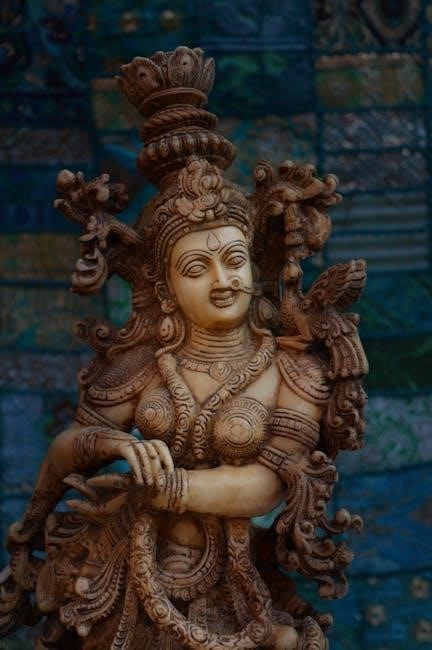
Key Features of Telugu Rudram PDFs
Telugu Rudram PDFs commonly feature clear Telugu script, transliteration, and often include Ganapathi Prarthana and KshamaPrarthana.
Larger font sizes are frequently available, enhancing readability for devoted practitioners during their spiritual practice.
Telugu Script and Transliteration
Telugu Rudram PDFs prioritize accessibility by presenting the sacred hymns in the native Telugu script, ensuring authenticity and cultural relevance for native speakers.
However, recognizing the diverse needs of learners and those unfamiliar with the script, many PDFs also incorporate transliteration.
This transliteration typically renders the Sanskrit verses into Roman script, allowing individuals to pronounce the mantras accurately even without Telugu literacy.
The combination of both script forms is incredibly beneficial, fostering both correct pronunciation and a deeper understanding of the original text.
Furthermore, some PDFs offer detailed explanations of the Telugu script used, aiding those wishing to learn the language alongside the sacred chants.
This dual approach – Telugu script alongside transliteration – significantly broadens the reach and usability of these important spiritual texts, making them accessible to a wider audience.
The quality of transliteration varies, so choosing reputable sources is crucial for accurate pronunciation and comprehension.
Inclusion of Ganapathi Prarthana and KshamaPrarthana
Many Telugu Rudram PDFs thoughtfully include Ganapathi Prarthana (prayers to Lord Ganesha) and KshamaPrarthana (prayers for forgiveness) alongside the core Rudram text.
This inclusion is deeply rooted in traditional Vedic practice, recognizing Ganesha as the remover of obstacles and seeking divine pardon before commencing sacred recitation.
The Ganapathi Prarthana prepares the devotee’s mind and environment, ensuring a smooth and fruitful chanting experience.
Similarly, the KshamaPrarthana acknowledges potential imperfections in pronunciation or understanding, humbly requesting forgiveness for any unintentional errors.
These supplementary prayers enhance the spiritual efficacy of the Rudram chanting, creating a more complete and reverent practice.
PDFs offering both Ganapathi Prarthana and KshamaPrarthana are often preferred by practitioners seeking a holistic and traditionally accurate experience.
Their presence signifies a commitment to proper Vedic protocol and respectful devotion.
Large Font Size Options for Easier Reading
Telugu Rudram PDFs increasingly offer options for larger font sizes, catering to readers of all ages and visual abilities. This feature significantly enhances accessibility and promotes comfortable, extended periods of study and chanting.
Traditional Vedic texts can be challenging to read due to complex scripts and intricate characters; larger fonts mitigate this difficulty.
Many PDFs are specifically designed with “Large” versions, clearly labeled for easy identification, addressing the needs of senior citizens or those with impaired vision.
These larger-font PDFs maintain the integrity of the text while prioritizing readability, ensuring accurate pronunciation and comprehension.
The availability of these options demonstrates a growing awareness of inclusivity within the digital Vedic resource landscape.
Devotees can now engage with Sri Rudram more effortlessly, fostering deeper connection and devotion.
Choosing a PDF with a suitable font size is crucial for a fulfilling and strain-free spiritual practice.

Using Telugu Rudram PDF for Practice
Telugu Rudram PDFs empower devoted chanting, aiding understanding of hymns, and unlocking spiritual benefits through regular practice and sincere devotion.
These resources facilitate a deeper connection with Lord Shiva.
Chanting Rudram with Devotion
Chanting Rudram, facilitated by readily available Telugu Rudram PDFs, is more than mere recitation; it’s a deeply immersive spiritual practice. Approaching the hymns with bhakti – devotion – is paramount. The power lies not just in the accurate pronunciation, aided by the Telugu script and transliteration often included in these PDFs, but in the heartfelt offering of each syllable to Lord Shiva.
Devotional chanting involves creating a sacred space, both internal and external. Focusing on the meaning of the verses, even if a complete understanding isn’t immediately present, enhances the experience. Many practitioners utilize the PDF format to follow along, ensuring correct pronunciation and rhythm.
The intention behind the chanting is crucial. Whether seeking material well-being or spiritual liberation, approaching Rudram with sincerity and reverence amplifies its efficacy. Consistent, devoted practice, guided by the convenience of a Telugu Rudram PDF, cultivates a profound connection with the divine.
Understanding the Meaning of the Hymns
Telugu Rudram PDFs often present ancient Vedic hymns, but true benefit arises from grasping their profound meaning. The Namakam section, central to Rudram, consists of invocations addressing various names and attributes of Lord Shiva. Understanding these epithets reveals the multifaceted nature of the deity.
The Chamakam, following the Namakam, is a series of praises and offerings, requesting blessings and fulfillment. Deciphering these requests provides insight into Vedic values and aspirations. Many PDFs don’t include detailed translations, necessitating supplementary resources.
Studying commentaries and seeking guidance from knowledgeable teachers is invaluable. Recognizing that the hymns request both material and spiritual fulfillment, as noted in available resources, deepens appreciation. A Telugu Rudram PDF serves as a gateway, but dedicated study unlocks the hymns’ transformative power.
Benefits of Regular Rudram Chanting
Consistent recitation of Sri Rudram, facilitated by Telugu Rudram PDFs, is believed to yield significant spiritual and worldly benefits. Devotees report increased mental clarity, emotional stability, and a deepened connection with Lord Shiva. The hymns’ vibrations are thought to purify the surrounding environment and the chanter’s inner self.
As highlighted in online resources, the Namakam hymns specifically correspond to requesting divine assistance in fulfilling both material and spiritual desires. Regular chanting cultivates devotion, reduces stress, and fosters a sense of peace.
Utilizing a Telugu Rudram PDF allows for convenient daily practice. The act of focused recitation, combined with understanding the hymn’s meaning, amplifies its positive effects, leading to holistic well-being and spiritual growth.

Variations in Telugu Rudram Texts
Telugu Rudram PDFs showcase diverse versions, including Laghunyasa Rudram and regional recitation differences.
Oriya versions relate to Telugu Rudram, offering varied textual presentations for devotees’ practice.
Laghunyasa Rudram in Telugu
Laghunyasa Rudram, available as a Telugu PDF, represents a condensed form of the Sri Rudram, making it accessible for daily practice and those with time constraints.
This version maintains the core essence of the Rudram while streamlining the recitation process, focusing on essential mantras and eliminating some of the more elaborate expansions found in the full version.
PDF documents dedicated to Laghunyasa Rudram in Telugu often span several pages, providing the complete text with clear Telugu script for accurate pronunciation.
These resources are particularly valuable for students of the Vedas and individuals seeking a shorter, yet potent, form of Shiva worship.
The availability of Laghunyasa Rudram in Telugu PDF format facilitates wider dissemination and encourages consistent chanting, fostering a deeper connection with the divine.
Vedamantras provides a source for this specific text, highlighting its importance within Vedic traditions and its connection to fulfilling both material and spiritual desires.
Devotees often prefer this version for its practicality and ease of memorization.
Regional Differences in Telugu Rudram Recitation
While the core Sri Rudram text remains consistent, subtle regional differences exist in its Telugu recitation, impacting pronunciation and emphasis within the PDF versions available.
Variations arise from local traditions and the influence of different Vedic schools prevalent across Andhra Pradesh and Telangana.
These differences manifest in the articulation of specific sounds and the melodic patterns employed during chanting, influencing the overall aesthetic experience.
Telugu Rudram PDFs may not always explicitly denote these regional nuances, requiring listeners to be aware of potential variations.
Reciters from Hyderabad, for example, might exhibit a distinct style compared to those from coastal Andhra regions.

Understanding these subtleties enhances appreciation for the rich diversity within the Telugu Vedic tradition.
Accessing multiple PDF sources and listening to recordings from different regions can provide a broader perspective on these variations.
Oriya Versions and their Relation to Telugu Rudram
The existence of Oriya versions of Sri Rudram, as evidenced by available PDF documents, highlights the broader dissemination of this sacred hymn across eastern India and its connection to the Telugu tradition.

While originating in the Vedic Sanskrit tradition, Rudram’s adoption into regional languages like Telugu and Oriya demonstrates its enduring spiritual significance.
PDF comparisons reveal textual similarities, yet variations in script, transliteration, and localized interpretations exist between the Telugu and Oriya versions.
The Oriya texts often serve as a valuable resource for comparative linguistic and spiritual study.
Scholars suggest historical and cultural exchanges facilitated the transmission of Rudram across linguistic boundaries.
Accessing both Telugu and Oriya Rudram PDFs provides a richer understanding of the hymn’s evolution and regional adaptations.
These versions showcase the universal appeal of Lord Shiva worship.
Rudram and Spiritual Fulfillment
Telugu Rudram PDFs empower devotees to seek both material prosperity and spiritual liberation through dedicated chanting and heartfelt devotion.
Regular recitation fosters a profound connection with Lord Shiva, aligning practitioners with Vaidika traditions.
Fulfilling Material and Spiritual Wishes
Telugu Rudram PDFs serve as powerful tools for manifesting desires, encompassing both worldly needs and profound spiritual aspirations. The hymns within, particularly the Namakam section, are traditionally understood as requests directed towards the divine, seeking fulfillment of wishes.
Devotees utilize these PDFs to meticulously chant the verses, believing that focused intention combined with the sacred sound vibrations can positively influence their lives. The practice isn’t merely about asking for things; it’s about cultivating a deeper relationship with the divine and aligning oneself with cosmic energies.
Many believe consistent chanting of Sri Rudram, accessed conveniently through these PDF resources, can remove obstacles, grant health, and bestow prosperity. Simultaneously, it fosters inner peace, wisdom, and ultimately, liberation from the cycle of birth and death, representing the ultimate spiritual wish.
The availability of these texts in Telugu makes this powerful practice accessible to a wider audience.
The Role of Rudram in Vaidika Tradition
Sri Rudram holds a central and revered position within the Vaidika tradition, originating from the Krishna Yajurveda. Telugu Rudram PDFs facilitate the continued practice and preservation of this ancient hymn, ensuring its accessibility for generations.
Traditionally, Rudram is chanted by Brahmin priests during specific Vedic rituals and ceremonies, considered essential for purification and invoking divine blessings. It’s a core component of many yajnas and puja offerings, believed to appease Lord Shiva and other deities.
The hymn’s intricate structure and powerful mantras are thought to resonate with the fundamental energies of the universe. The availability of Telugu versions, in convenient PDF format, allows wider participation in this sacred tradition, extending its benefits beyond priestly circles.
It represents a vital link to the ancient Vedic heritage.
Connecting with Lord Shiva through Rudram
Telugu Rudram PDFs serve as a powerful conduit for devotees seeking a deeper connection with Lord Shiva. The hymn’s verses are dedicated to praising Shiva’s various attributes and invoking his divine grace.
Chanting Sri Rudram, even through a digital PDF, is believed to create a vibrational resonance that aligns the practitioner with Shiva’s energy. Regular recitation fosters a sense of devotion, peace, and spiritual upliftment.
The Telugu language version makes the hymn accessible to a wider audience, allowing individuals to directly engage with the sacred text and experience its transformative power.
Many believe that sincere chanting can lead to the fulfillment of both material and spiritual wishes, as indicated in various texts.
It’s a pathway to realizing Shiva’s presence within.